Some places stay with us for their views. Others for their scents or the people we meet. Tokaj has a gift for bringing them all together in a single experience: the sight of autumn vineyards, the stillness of an old cellar and a glass of wine we have no wish to rush.
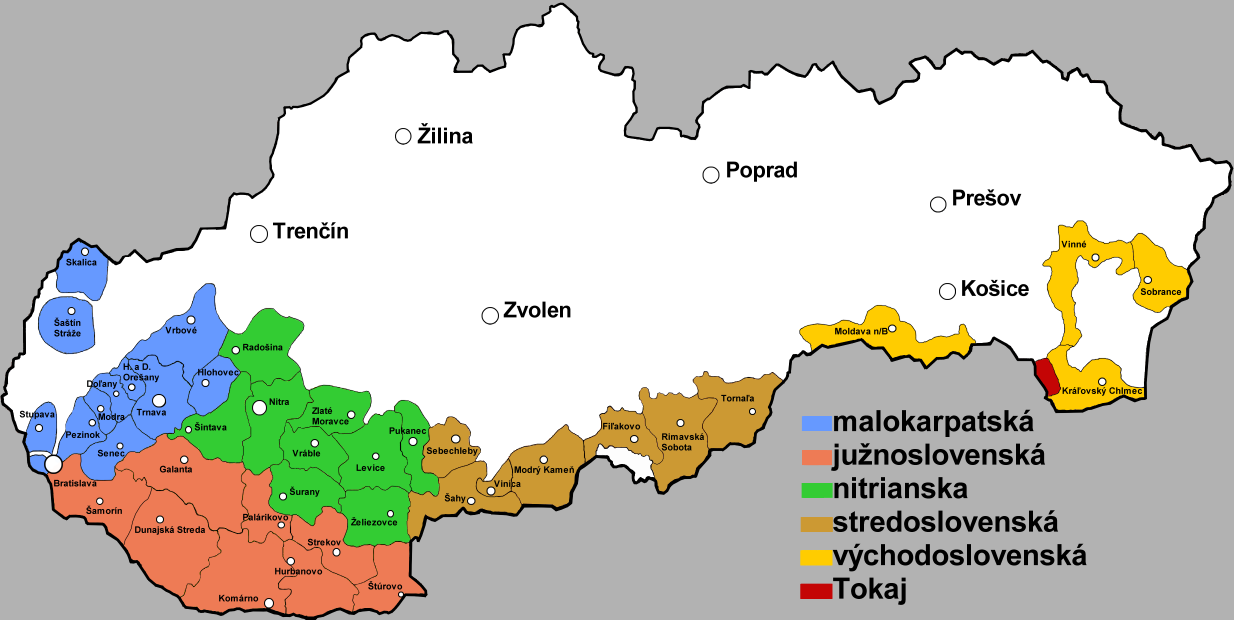
The Tokaj wine region stretches across two countries — Slovakia and Hungary. Its Slovak part comprises more than nine hundred hectares of designated vineyard land around seven villages: Čerhov, Veľká Tŕňa, Malá Tŕňa, Slovenské Nové Mesto, Bara, Černochov and Viničky. A small stretch of countryside, yet a whole world of wine.
This picturesque corner of south-eastern Slovakia lies sheltered by the Zemplín Hills, in a landscape shaped by its connection to the Bodrog River. Among the vineyards, villages and old cellars, Tokaj reveals itself not merely as a name on a label, but as a place with a memory and rhythm of its own.
A landscape that leaves its mark on the wine
What makes Tokaj so exceptional? Its story begins deep beneath the roots of the vines. The local bedrock is volcanic in origin, with tuff among the rocks that give it its character — the very stone into which people later carved their cellars. The stony soil absorbs the sun's warmth during the day and gradually releases it at night. Even as the autumn air turns cool, the earth holds on to the memory of the sun a little longer.
This is where the strength of the landscape meets the finesse of the winemaker's craft. Soil, the aspect of the slopes, the course of the weather and the winemaker's decisions together create conditions that cannot simply be transplanted elsewhere. Tokaj is not a recipe. It is a coming together.
When autumn hides a treasure in a tiny grape
One of Tokaj's greatest secrets looks quite unassuming: a small, shrivelled grape that an untrained eye might easily overlook.
In Slovakia, it is called a cibéba.
In a favourable autumn, the noble form of the fungus Botrytis cinerea develops on ripe grapes. Morning mists help it thrive, while sunny, drier days encourage the grapes to dry gradually. Water escapes through the affected skins, concentrating sugars and aromatic compounds inside. A seemingly ordinary grape becomes a precious raw material for Tokaj selection wines, known in Slovak as tokajský výber.
Yet nature does not bestow this gift equally every year. That is why, alongside the winemaker's work, each Tokaj wine holds the story of a particular autumn.
The winemaker's hands and time that cannot be hurried
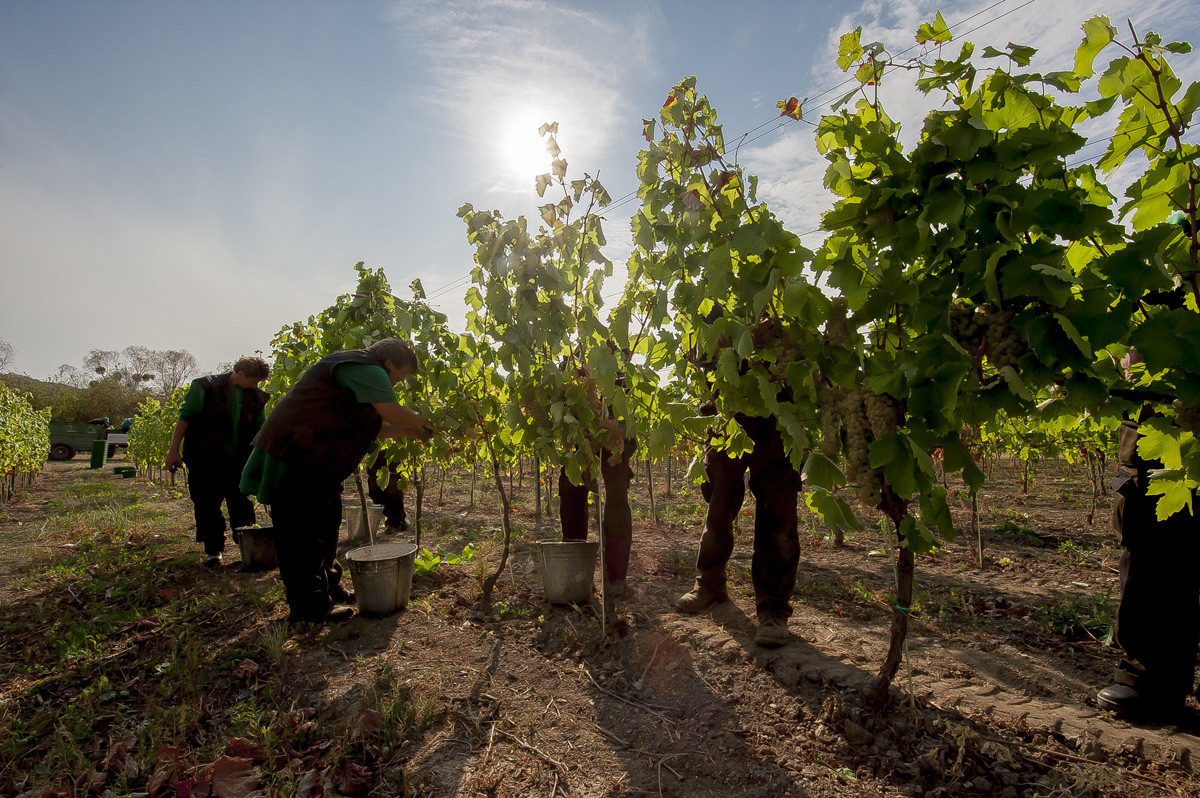
But Tokaj is about more than favourable conditions. It is also about people who know when to wait and when to step into the vineyard. For traditional selection wines, the botrytised grapes are selected by hand. Behind a glass of wine lie the patient sorting of bunches and countless small decisions.
The story then moves from the vineyard to the cellar. Slovak tokajský výber matures for at least three years, including at least two in wooden barrels. This is more than a figure in the production rules. It is the time during which its individual notes gradually come together.
In the tuff cellars carved into volcanic rock, patience takes on a tangible form: cool stone, the scent of wood, rows of barrels and a stillness that leaves no reason to hurry.
From royal tables to your glass
Tokaj has many faces. It can be fresh and dry, or full-bodied, mature and sweet. Traditional wines may develop notes of overripe fruit, nuts, honey or caramel. Not every glass tells the same story — and therein lies the joy of discovery.
The royal courts of Europe enjoyed Tokaj wines, poets wrote odes to them and connoisseurs celebrated them. And the story continues to this day…
It continues around a table shared by friends. In a bottle set aside for a special occasion. And in that first taste, when an unfamiliar name on a label becomes an experience of your own.
So let us wander together through Tokaj's vineyards, step inside its cellars and meet the people who shape its wines. Not to memorise every winemaking term, but to see the landscape, the work and the time behind the wine.
Welcome to Tokaj. A region whose story does not end when the cork goes into the bottle.
Would you like to understand more about what is in your glass? Explore the Tokaj Wine Glossary (in Slovak).


